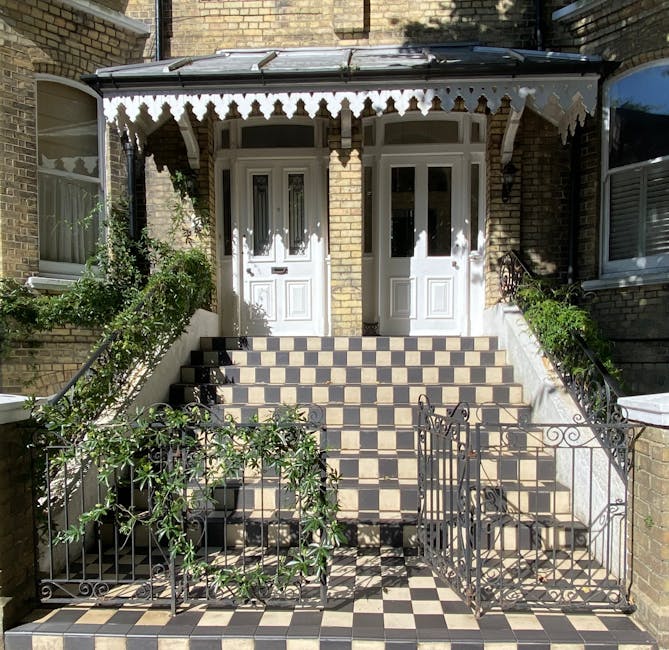
Narrow Stairs & Victorian Flats: Bethnal Green Move Risks
Moving in Bethnal Green can look simple on paper, then the staircase appears. If you live in a Victorian flat, or you are moving into one, the story changes fast. Tight turns, steep steps, awkward landings, low bannisters, and old timber floors can turn a routine move into a careful little operation. That is exactly why Narrow Stairs & Victorian Flats: Bethnal Green Move Risks deserves proper planning, not guesswork.
In this guide, you will learn what those risks actually are, how they affect timing and costs, what to prepare before moving day, and how to reduce the chance of damage or injury. We will keep it practical and local. Bethnal Green has plenty of period conversions, split-level flats, and homes where a sofa simply will not behave itself. Truth be told, that is where most move stress begins.
If you want a smoother experience, it helps to pair planning with the right support. Many people start by looking at removals in Bethnal Green, then narrow things down to the exact help they need, such as a man and van service or house removals in Bethnal Green E2.
Table of Contents
- Why Narrow Stairs & Victorian Flats: Bethnal Green Move Risks Matters
- How Narrow Stairs & Victorian Flats: Bethnal Green Move Risks Works
- Key Benefits and Practical Advantages
- Who This Is For and When It Makes Sense
- Step-by-Step Guidance
- Expert Tips for Better Results
- Common Mistakes to Avoid
- Tools, Resources and Recommendations
- Law, Compliance, Standards, or Best Practice
- Options, Methods, or Comparison Table
- Case Study or Real-World Example
- Practical Checklist
- Conclusion
- Frequently Asked Questions
Why Narrow Stairs & Victorian Flats: Bethnal Green Move Risks Matters
Victorian flats were built in a very different era. That sounds obvious, but it matters in real life. Staircases can be narrower than modern furniture is designed for, bends can be sharper, and the route from street to front door might involve a communal corridor, a turn, and a second turn before you even reach the stairs. In Bethnal Green, that combination is common enough that it should be treated as standard planning, not a surprise.
The risks are not just about inconvenience. They include scratched walls, damaged furniture, strained backs, chipped banisters, upset neighbours, and delays that ripple through the entire day. A move that should take two hours can suddenly become four. Or six. And once someone is standing on a landing with a wardrobe that will not pivot, everyone becomes a bit less cheerful.
What makes this topic matter even more is that the failure points are predictable. Most problems come from the same handful of issues: poor measuring, rushing lifting technique, underestimating weight, failing to protect surfaces, and choosing the wrong vehicle or team size. If you understand those points early, you can reduce stress before the first box is even moved.
A practical move plan is also about trust. If you are comparing local removal companies in Bethnal Green, the ones worth your time are usually the ones who ask about stairs, access, parking, and building layout before quoting. That is a good sign. Not fussiness. Just experience.
Expert summary: In period properties, the staircase is often the real moving bottleneck. Measure first, protect surfaces early, and assume heavy items will need more control than brute force.
How Narrow Stairs & Victorian Flats: Bethnal Green Move Risks Works
There is no special machine behind this. The risk works in a very ordinary way: the building layout shapes the move, and the building usually wins unless you plan around it. A Victorian flat may have slimmer internal doorways, smaller landings, or a stairwell that forces furniture to be carried at an angle. The problem is not just width; it is the combination of width, height, turns, and weight distribution.
Take a sofa, for example. On the floor it may seem manageable. On a staircase, the same sofa becomes awkward because one person cannot always see the landing edge, the other person cannot pivot freely, and the fabric or frame may catch on painted walls. The same applies to beds, wardrobes, fridges, and desks. The object is only half the story. The route matters just as much.
In many Bethnal Green flats, access can also be influenced by shared hallways, parking availability, and whether the entrance is directly on street level. That means the move is really a chain of smaller tasks: unloading, carrying to the door, clearing the corridor, turning on the landing, lifting safely, and fitting the item into the room without scraping anything. Miss one link and the whole chain feels harder.
This is where a man with a van in Bethnal Green E2 can be useful, especially for smaller to mid-sized moves. For larger homes or more fragile furniture, broader removal services in Bethnal Green E2 can give you more flexibility with crew size, vehicle choice, and packing support.
What usually creates the risk?
- Angle problems: furniture fits in theory but not in practice once it meets the turn.
- Load imbalance: one end is heavier, so the item twists in the stairwell.
- Surface damage: narrow stairs leave less room for error, so scuffs happen quickly.
- Fatigue: repeated carries up stairs are tiring, and tired people make clumsy decisions.
- Access friction: parked vehicles, neighbours, and corridor space all slow things down.
Key Benefits and Practical Advantages
It may seem odd to talk about benefits in a risk article, but there are real advantages to understanding these move risks early. The biggest one is control. Once you know where the pressure points are, you can make better decisions about packing, vehicle size, crew numbers, and whether something should be dismantled rather than forced through intact.
Another benefit is cost control. Moves with awkward stairs often become expensive because of avoidable delays or damage. Careful preparation can reduce the chance of needing emergency help, replacement items, or extra labour time. That is not a dramatic promise; it is just how the work tends to unfold.
You also protect the building itself. Victorian interiors often have character features that look lovely and are easy to nick: painted skirting, original railings, plaster corners, and old floorboards. Protecting those details can save awkward conversations later. Nobody wants to be the person explaining a dent in a hallway wall when the flat has only just been handed over.
Finally, there is peace of mind. A good move does not feel frantic. It feels organised enough that the day still has a rhythm. That matters more than people admit. If you have already sorted boxes, labelled fragile items, and booked the right help, the whole experience feels less like a scramble and more like a controlled process.
For many households, pairing the move with good packing support makes the biggest difference. Services like packing and boxes in Bethnal Green E2 can remove a lot of the pressure from the days before moving. And if the new place is not ready yet, short-term storage in Bethnal Green E2 can be a sensible buffer.
Who This Is For and When It Makes Sense
This topic matters for anyone moving into or out of a Victorian flat, maisonette, split-level conversion, or upper-floor home with limited stair access. It is especially relevant if you have bulky furniture, fragile items, or a tight moving window. If you are renting, you may also have a deadline for check-out, which adds pressure. If you are buying, completion timing can turn calm planning into a last-minute rush. Classic London stuff, really.
You will benefit most from this guidance if you are:
- moving in or out of a period flat in Bethnal Green or nearby E2 streets
- bringing large furniture through a narrow stairwell
- trying to avoid damage to walls, banisters, or shared areas
- working with a limited budget and need to reduce wasted time
- planning a smaller move and want the process to stay efficient
- dealing with items that may need dismantling, lifting support, or temporary storage
It also makes sense for landlords and property managers. If the staircase is awkward, a quick conversation before move-in day can prevent complaints later. That might sound obvious, but so many move-day issues come from nobody saying the awkward bit out loud beforehand.
Step-by-Step Guidance
If you are dealing with narrow stairs and a Victorian flat, the move should be planned in layers. Here is a practical sequence that keeps things realistic.
- Measure the route, not just the furniture. Check stair width, landing space, doorway clearance, ceiling height near turns, and any awkward corners. Measure the largest items first.
- Identify the problem pieces early. Sofas, mattresses, wardrobes, beds, mirrors, and white goods usually cause the most trouble. Do not leave them until the morning of the move.
- Decide what should be dismantled. A bed frame, table legs, shelving, or wardrobe doors may be easier to remove before the move begins.
- Protect the route. Use covers, blankets, and floor protection where needed. Hallway corners and banisters are especially vulnerable.
- Pack by access difficulty. Keep the easier boxes separate from the awkward heavy items so the crew does not have to keep changing pace.
- Assign lifting roles. One person calls the pace, one watches the turn, and one stabilises the load. That coordination sounds small, but it matters a lot.
- Load the vehicle in sensible order. Put the most awkward items where they can be unloaded first if needed.
- Move room by room. Don't bounce between spaces. It creates clutter and slows the whole job down.
If you are moving a larger home, it may be worth booking a dedicated removal van in Bethnal Green E2 rather than trying to squeeze everything into a vehicle that is too small. Underestimating van size is a very common mistake, and, to be fair, it is a mistake people only make once.
A small but important detail: the landing pause
One thing people forget is the pause point. A landing is not just a bit of floor. It is a reset point. If you are carrying a mattress or wardrobe, stopping for five seconds to re-grip and re-angle can prevent a scrape or a strained shoulder. Rushing that moment is where accidents like to hide.
Expert Tips for Better Results
A few simple habits can make a difficult move feel much more manageable. None of them are glamorous. They just work.
- Take stair and doorway photos before the move. This helps with planning and gives the moving team a clear visual sense of the layout.
- Use the right packing strength. A weak box on stairs is bad news. It can fail at exactly the wrong moment.
- Wrap corners and edges first. The corners are usually what strike the wall, not the flat surface.
- Keep hardware in labelled bags. If you dismantle furniture, tape the bag to the piece or store it in a clearly marked box.
- Think about the exit, not just the entrance. Some items fit out of the room but become difficult at the final turn to the stairwell.
- Use slower hand signals than you think you need. A simple "stop", "pivot", or "down" is better than a full sentence shouted over a stairwell.
There is also a hidden time-saving tip: declutter before you pack. The less you move, the less you carry up and down those stairs. If you want a cleaner start, the article on decluttering before relocating is a useful companion read. And if you are in the middle of the whole moving mess, moving to a new home without stress ties together a lot of the wider planning.
One more small thing. Don't try to be a hero with a heavy item. It never ends as elegantly as people hope.
Common Mistakes to Avoid
Most staircase-related move problems are avoidable. The issue is not that people are careless. It is that they are busy, tired, and trying to finish quickly. Fair enough. Still, some errors show up again and again.
- Only measuring the furniture: If the sofa measures 190 cm, that is not the full story. The angle matters too.
- Ignoring the landing geometry: Many items fail at the turn, not on the stairs themselves.
- Using oversized boxes: Big boxes are tempting, but stairs punish overfilled boxes fast.
- Not protecting shared areas: Communal halls in period buildings can mark easily.
- Leaving mattresses uncovered: They catch on railings, gather dirt, and become awkward to handle.
- Trying to move everything in one go: That is where fatigue and rushed decisions creep in.
- Forgetting building etiquette: Noise, blocked access, and cluttered corridors can annoy neighbours and complicate the day.
One of the more common oversights is assuming a team can "just manage" a difficult piece if everyone lifts together. Sometimes yes. Sometimes no. Sometimes the item needs to be dismantled, or carried with a different angle, or moved by a different route. A little humility saves a lot of trouble. And a cracked lamp shade, let's be honest, is never part of the plan.
Tools, Resources and Recommendations
You do not need a van full of specialist kit for every move, but a few practical tools make a real difference when stairs are tight.
- Furniture blankets: help protect frames, paintwork, and polished surfaces.
- Straps or harnesses: useful for keeping control of awkward weight, especially on turns.
- Flat trolleys or dollies: not always suitable for stairs, but helpful for moving items on level ground to and from the vehicle.
- Strong tape and labels: essential for keeping dismantled parts and box contents organised.
- Door and corner protectors: useful where access is tight and repeated contact is likely.
- Good gloves and sensible footwear: basic, but very important. Slippery soles and staircases are not a good pairing.
For residents who need more flexible moving support, services such as man and van Bethnal Green E2 can suit smaller loads, while broader removals in Bethnal Green E2 are often better for full household moves. If you want to understand the company behind the service before booking, it is also sensible to read the about us page. That gives you a better feel for who will actually turn up on the day.
There are also some useful supporting reads if you are moving large or delicate items. For example, the guide on why DIY piano moving can be risky shows how quickly weight and balance become serious issues. If you are handling a bed, moving your bed and mattress efficiently is a solid reference. And if you need to ask directly about your specific access problem, the contact page is the simplest next step.
Law, Compliance, Standards, or Best Practice
For most home moves, the key issues are less about formal legal thresholds and more about sensible UK moving practice. That said, there are still standards worth keeping in mind. You have a duty to avoid unnecessary damage to the property you are leaving and to the shared areas you use during the move. You also need to take reasonable care for anyone helping with the move, including neighbours or building staff if they are involved.
In practical terms, best practice means planning load safety, lifting safely, and not blocking communal access longer than necessary. If your building has restrictions on parking, loading, or use of shared entrances, those need to be respected. Local access conditions in Bethnal Green can be awkward, especially on busier streets, so a bit of courtesy goes a long way.
If you are hiring movers, a good company should be clear about what they can and cannot carry safely. They should also be honest if an item needs two people, dismantling, or a different vehicle setup. That kind of honesty is not a weakness. It is professionalism.
There is also a plain best-practice point around insurance and responsibility. Ask what protection is in place for handling, transit, and accidental damage, and make sure you understand the basics before moving day. No need for a dramatic legal discussion, just clarity. It saves confusion later.
Options, Methods, or Comparison Table
If you are deciding how to manage a move through narrow stairs, it helps to compare the main approaches. The right choice usually depends on furniture volume, floor level, and how much time you have.
| Option | Best for | Strengths | Trade-offs |
|---|---|---|---|
| DIY with friends | Very small loads, flexible timing | Lower immediate cost, familiar help | Higher injury risk, less experience, slower on stairs |
| Man and van service | Smaller homes, flat shares, a few large items | Flexible, usually quicker to arrange, practical for tight access | May need careful item selection and good packing prep |
| Full house removals | Family homes, larger flat moves, multiple bulky items | More support, better for complex handling, less stress | Usually more planning required, may cost more depending on scope |
| Move with storage | Delayed completion, staged move, surplus furniture | Useful breathing room, less pressure on moving day | Requires extra coordination and a second handover |
For many Bethnal Green flats, the middle ground works best: enough support to handle stairs properly, but not so much overhead that the move becomes overcomplicated. If you are still deciding, browsing removal services in Bethnal Green alongside the service pages can help you compare what fits your situation.
Case Study or Real-World Example
Here is a realistic example from the kind of move people often face in Bethnal Green. A couple were moving out of a first-floor Victorian flat with a narrow internal staircase and a turn halfway up. Their biggest items were a double mattress, a bed frame, a two-seater sofa, a bookcase, and a fridge. Nothing huge individually, but enough to make the staircase the star of the show.
At first glance, the sofa looked like the main problem. It was not. The real issue turned out to be the fridge, which fit through the front door but became awkward on the landing because the turn reduced the usable angle. They solved it by clearing the route in advance, removing the door where possible, padding the wall edges, and moving the fridge before the more fragile items. The bed frame was dismantled, and the mattress was wrapped to keep it clean and reduce drag against the stair rail.
The move still took patience. There were a couple of pauses, one slightly comedic moment involving a box that looked far lighter than it was, and a brief debate about whether the bookcase should have been taken apart earlier. But the day stayed controlled. No damage, no panic, and no scratched wall corners. That is the kind of result careful planning tends to produce.
This is also where a local service can save the day. A team familiar with Bethnal Green flats is more likely to spot the awkward turn, the tight landing, or the parking squeeze before it becomes a problem. That local knowledge matters more than people sometimes think.
Practical Checklist
Use this checklist before moving day if your property has narrow stairs or a Victorian layout.
- Measure all large furniture and all access points
- Check the tightest turn on the staircase
- Identify items that can be dismantled
- Pack heavy items into smaller boxes
- Label fragile boxes clearly
- Protect walls, banisters, and floors
- Confirm parking and loading access
- Decide which items need extra hands
- Keep tools, screws, and instructions together
- Prepare a plan for storage if completion dates do not align
- Tell neighbours or building occupants if access may be busy
- Keep drinks and a quick break plan ready, because stair moves are tiring
If you are still sorting out the practical side, articles like top packing tips for a seamless moving experience and cleaning your home thoroughly before moving can help you get the small details in order. Small details add up. They really do.
Conclusion
Narrow stairs and Victorian flats are part of what gives Bethnal Green its character, but they also change the shape of a move in very practical ways. The risks are real: awkward angles, wall damage, delayed timings, heavy lifting strain, and the simple fact that a large item may not behave like you hoped it would. The good news is that most of these issues can be managed with measuring, planning, proper packing, and the right level of help.
If you take one thing from this guide, let it be this: the staircase is part of the move plan, not a detail to work out on the day. Once you treat access as seriously as furniture, everything gets easier. Not easy, exactly. But easier, and that counts.
For a home move, business move, or just advice on tricky access, a local team that understands Bethnal Green properties can make a very real difference. And if you need storage, packing support, or help with one especially awkward item, there is no shame in getting the right backup. In fact, that is usually the smart move.
Get a free quote today and see how much you can save.
Sometimes the best move is the one that feels calm by the time the kettle goes on in the new place.
Frequently Asked Questions
Are Victorian flats in Bethnal Green harder to move into than newer buildings?
Often, yes. Victorian flats may have narrower staircases, tighter turns, and smaller landings than newer properties. That does not make the move impossible, but it usually means more planning and better handling of large furniture.
What is the biggest risk with narrow stairs during a house move?
The biggest risk is usually a mix of damage and injury. Furniture can scrape walls or banisters, and lifting heavy items on stairs can strain backs, shoulders, or hands if the load is awkward.
Should I dismantle furniture before moving through a Victorian stairwell?
In many cases, yes. Beds, wardrobes, tables, and shelving often move more safely when partially dismantled. It reduces bulk and makes the stair angles easier to manage.
How do I know if my sofa will fit down the stairs?
Measure the sofa, then measure the staircase width, landing space, and tightest turning point. The key is not just width but the angle. A sofa may technically fit in theory and still be impossible to turn on the landing.
Is a man and van service enough for a flat move with stairs?
It can be, especially for smaller moves or fewer large items. But if you have bulky furniture, fragile pieces, or multiple floors to manage, a fuller removal service may be the better fit.
How can I protect walls and bannisters during the move?
Use furniture blankets, corner protection, careful carrying angles, and a clear route. It also helps to move slowly on the turns and keep one person watching the contact points.
What should I do if my move-in date and move-out date do not match?
Short-term storage can bridge the gap. It takes pressure off the move day and gives you breathing space if your new home is not ready yet.
Do narrow stair moves take longer?
Usually, yes. Every extra turn, pause, and re-grip adds time. The move is still manageable, but you should expect a slower pace than with level access.
What items are most likely to cause problems in Bethnal Green flats?
Mattresses, sofas, wardrobes, fridges, bed frames, and large desks are common troublemakers. They are either bulky, awkward to turn, or heavy enough to become difficult on stairs.
What should I ask a removal company before booking?
Ask whether they have experience with narrow stairs, whether they need measurements or photos, what kind of vehicle they recommend, and how they handle dismantling or storage if needed.
Can I move everything myself if the flat is on the first floor?
Sometimes, but first-floor does not automatically mean easy. Tight stairwells, heavy furniture, and old fixtures can still make self-moving risky. If the items are large or valuable, extra help is usually wise.
Where can I get help if I am not sure what type of service I need?
Start by reviewing the service pages for house removals, man and van options, packing support, and storage. If you still have questions, the contact page is a simple way to talk through your situation and decide what fits best.