Skip, Suspended Bay & Parking Rules for Bethnal Green Moves
Moving in Bethnal Green can feel straightforward right up until the parking becomes the main event. A skip blocks the curb, a suspended bay changes the loading plan, and one missed detail can turn a tidy moving day into a costly scramble. If you are trying to understand Skip, Suspended Bay & Parking Rules for Bethnal Green Moves, this guide breaks it down in plain English. You will learn what these rules mean, why they matter, how movers usually plan around them, and how to keep your move calm rather than chaotic. Truth be told, most moving problems in London start at the pavement, not in the property itself.
If you want to understand how this fits into a wider move, it can also help to review general removal services, especially if you are coordinating parking, access, packing, and lifting all at once.
Table of Contents
- Why Skip, Suspended Bay & Parking Rules for Bethnal Green Moves Matters
- How Skip, Suspended Bay & Parking Rules for Bethnal Green Moves Works
- Key Benefits and Practical Advantages
- Who This Is For and When It Makes Sense
- Step-by-Step Guidance
- Expert Tips for Better Results
- Common Mistakes to Avoid
- Tools, Resources and Recommendations
- Law, Compliance, Standards, or Best Practice
- Options, Methods, or Comparison Table
- Case Study or Real-World Example
- Practical Checklist
- Conclusion
- Frequently Asked Questions
Why Skip, Suspended Bay & Parking Rules for Bethnal Green Moves Matters
Parking rules are not just a background detail in Bethnal Green. They shape how the move happens, where the vehicle can stop, how close the crew can get to the entrance, and whether loading can happen in one continuous run or in awkward little bursts. That affects time, labour, stress, and sometimes the availability of the vehicle itself.
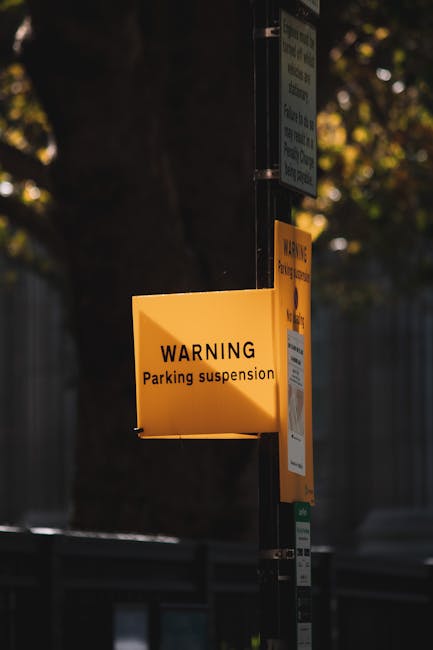
A skip has its own placement rules because it occupies road space and can obstruct access if it is badly positioned. A suspended bay means a parking space has been temporarily restricted, usually for works, deliveries, events, or access reasons. And normal parking rules still apply to the moving van, which means you may not be able to simply pull up outside and stay there as long as you like. Let's face it, that sounds obvious when you say it out loud, but plenty of moves still get caught out by it.
In a dense part of East London, even a small mistake can snowball. A van that cannot stop close enough to the entrance means longer carries, more handling, and more chance of knocks to furniture or walls. A skip left in the wrong place may need moving, and that is rarely a fun conversation at 7:30 in the morning. If your move involves larger items, you may also want to look at man with a van support for a more flexible loading plan, or house removals if the move is bigger and timing matters.
Expert summary: good parking planning is not about being over-cautious. It is about keeping the move efficient, safe, and legal, while reducing the chance of delays that nobody wants to pay for.
How Skip, Suspended Bay & Parking Rules for Bethnal Green Moves Works
At a practical level, the process usually comes down to three separate questions: where can the skip go, where can the moving vehicle stop, and what restrictions are active on the street that day? Those questions sound simple. On Bethnal Green roads, they can be anything but.
1. Skip placement
Skips are typically placed where they will not block pedestrians, emergency access, bins, crossings, or driveways. The exact rules depend on local conditions and the permission attached to the placement. If a skip is being used during a move, it should be planned so that it supports the schedule, not fights it. A well-placed skip can make decluttering far easier before a move, especially if you are clearing out loft space, old furniture, or office waste.
2. Suspended bay loading
A suspended bay usually means the normal parking right is not available for general use. In move planning, that can be useful if the bay is being reserved for a specific purpose, but it can also mean the road layout has changed. The moving team needs to know whether a bay is closed, available for loading only, or fully unusable. Otherwise, you may arrive with a van and discover the only sensible stopping place has disappeared. Not ideal.
3. Vehicle access and loading windows
Moving vans, removal trucks, and smaller vehicles all need an access plan. Sometimes a compact vehicle is better because the street is tight. Sometimes a larger vehicle is better because you want fewer trips. The right answer depends on the street, the property, and the volume being moved. For a smaller or more agile option, a removal van may suit the access better, while heavier or more complex moves may need a moving truck.
In real life, good planning means checking everything before moving day: bay restrictions, skip location, timing, access route, and whether the front door, lift, or communal entrance creates any bottleneck. The move goes smoother when the loading point is treated like part of the job, because it is part of the job.
Key Benefits and Practical Advantages
Getting the parking setup right has benefits that go beyond avoiding a fine. It can genuinely make the whole move feel more controlled. And on moving day, controlled is good.
- Less time wasted: the crew spends less time hunting for a legal stop and more time moving boxes.
- Reduced carrying distance: shorter walks between the property and vehicle mean less fatigue and lower risk of damage.
- Lower stress: when parking is sorted, the day usually feels less like a moving puzzle.
- Better safety: fewer awkward lifts across a road or around parked cars means fewer near-misses.
- Cleaner scheduling: if you have a lift booking, keys handover, or narrow access window, parking certainty helps everything line up.
There is also a subtle but important benefit: good parking planning helps neighbours. Nobody enjoys a van idling in the wrong place or a skip that narrows an already busy street. Thoughtful setup is simply better etiquette in a place where everyone is sharing limited space.
If your move includes dismantling, wrapping, and sorting, it may also help to use packing and boxes support before the vehicle arrives, so loading can begin immediately instead of turning into a living-room packing session on the pavement. Seen it happen. Not pretty.
Who This Is For and When It Makes Sense
This topic matters to far more people than first-time homeowners. In Bethnal Green, parking restrictions affect almost every type of move, even the ones that seem small on paper.
- Home movers: anyone moving a flat, maisonette, or family home in a street with limited stopping space.
- Students: especially those moving in or out at the start and end of term, when the roads are busier and timings are tighter.
- Landlords and agents: if you are coordinating a checkout, handover, or refurbishment.
- Office teams: especially for business moves that need to keep downtime low.
- People clearing clutter: if a skip is part of the process before or after the move.
It also makes sense whenever the property has awkward access. Maybe the building is on a busy stretch, maybe the only loading point is already restricted, or maybe your goods need to be carried through a shared hallway and you want the van as close as possible. If you are moving out of a top-floor flat and carrying a sofa down narrow stairs, every extra metre matters. Honestly, it does.
For smaller urban jobs, student removals or flat removals often benefit the most from a precise parking plan because those moves tend to happen in tight windows and busier streets.
Step-by-Step Guidance
If you want a move that feels organised rather than improvised, work through the parking side in a sequence. Keep it simple.
- Check the property layout. Measure or visually assess the distance from the front door to the nearest sensible stopping point. Watch for narrow lanes, bends, loading only areas, and permit bays.
- Identify any active suspensions. If a bay has been suspended, confirm what that means on the day and whether it can be used at all for loading or drop-off.
- Decide whether a skip is needed. If you are decluttering heavily, clearing furniture, or disposing of bulky waste, a skip may save time. But only if the placement suits the street and the moving schedule.
- Choose the right vehicle size. Smaller vehicles are easier in tight roads; larger vehicles reduce repeat trips. Pick the option that suits the access, not just the volume.
- Build in buffer time. Parking problems, traffic, and building access delays happen. They always do, or so it feels on a rainy Tuesday morning.
- Keep communication tight. Make sure the mover, the person holding the keys, and anyone arranging the skip know the same plan.
- Prepare loading items in advance. Boxes should be sealed, furniture should be ready, and pathways should be clear before the vehicle arrives.
A practical move in Bethnal Green often comes down to this: if the van is waiting on the street while you are still taping boxes, you are already losing time. The aim is to make the vehicle and the access point work together.
Expert Tips for Better Results
Small improvements can make a bigger difference than you might expect. These are the kinds of details that tend to separate a smooth move from a slightly exhausting one.
Use the shortest practical carry route
Even if a street has several possible stopping points, the best one is often the one that reduces carrying distance without blocking anyone. Shorter carries lower the risk of damage and help the move keep momentum.
Plan for street conditions, not just maps
Maps do not always show temporary changes, delivery trucks, school-run traffic, or the awkward way two vans can make a street feel half its width. If possible, allow for a little flexibility. You will thank yourself later.
Separate parking tasks from moving tasks
One person should know the vehicle plan. Another should handle packing readiness. Mixing both roles in one frantic person usually ends in somebody standing in the hall saying, "Where did we put the tape?"
Keep building access in mind
If you share a building, check whether you need to avoid certain times for lifts, entrances, or communal areas. That can matter as much as street parking.
Choose services that fit the access, not the other way round
For a compact move, a man and van setup may be the right fit. For larger or more structured jobs, a full removals service may be better because it can handle more inventory and more complex access planning.
And if you are moving office equipment or stock, consider the bigger picture too. Office relocations and commercial moves often involve tighter schedules, building rules, and more people standing around waiting for the loading bay to work its magic. Not the most exciting part of business, but it matters.
Common Mistakes to Avoid
Most avoidable parking problems come from assumptions. The kind that sound reasonable at the time.
- Assuming you can stop anywhere: in a restricted area, that can go wrong fast.
- Ignoring bay suspensions: a suspended bay is not a normal parking space, even if it looks empty.
- Booking a vehicle that is too large: a bigger van is not always better if the street cannot accommodate it.
- Leaving skip decisions until the last minute: skip placement needs planning, especially in tight residential streets.
- Forgetting about neighbours or building management: access conflicts are a real thing in shared properties.
- Not building in extra time: if the move relies on a narrow window and everything runs late, the pressure climbs quickly.
One of the sneakiest mistakes is underestimating how long unloading takes when the vehicle has to stop far away. A five-minute walk suddenly becomes ten or fifteen when you are carrying boxes, and the day drifts. It's a small thing, until it isn't.
Tools, Resources and Recommendations
You do not need fancy equipment to plan parking well, but a few simple tools help enormously.
- Notebook or move plan: keep the loading sequence, timings, and access notes in one place.
- Phone photos: take pictures of the street, entrance, and any bay signs so everyone can see the same situation.
- Basic measuring tape: useful if you need to judge whether a sofa, mattress, or appliance will fit through a route before loading starts.
- Labels and markers: reduce confusion when boxes need to be loaded quickly.
- Protective wrapping and tape: especially important if the carry route is longer than expected.
For wider move planning, the following site pages can be helpful depending on your situation: home moves for household relocations, office removals for business moves, and packing and unpacking services if you want support before the vehicle even gets there.
If sustainability matters to you, it is also worth thinking about what you are moving versus what you are discarding. A little sorting before move day can reduce waste and make the load more manageable. The company's recycling and sustainability information is a sensible starting point if you are trying to keep things tidy and responsible at the same time.
Law, Compliance, Standards, or Best Practice
This part needs careful wording. Parking, loading, skip placement, and bay suspensions are subject to local rules and permissions, and those can vary by street and by the exact arrangement in place at the time. In practice, the safest approach is to treat street space as controlled rather than free, especially in a busy London borough.
Best practice usually includes:
- checking restrictions before the move date;
- making sure the vehicle is only stopped where it is permitted to stop;
- keeping access clear for pedestrians and emergency use;
- ensuring skips are placed lawfully and sensibly;
- respecting time limits, permits, and building rules;
- co-ordinating with anyone responsible for the property or road space.
It also means being realistic. If a bay is suspended, or if the street is too tight for the first vehicle you had in mind, the right answer is to adapt the plan rather than hope for the best. Hope is not a parking strategy. Not really.
For customer confidence, it can help to review the company's health and safety policy, insurance and safety information, and terms and conditions so you understand how the move is handled and what is expected from both sides.
Options, Methods, or Comparison Table
There is no single best approach for every Bethnal Green move. The right method depends on access, volume, timing, and whether you are clearing, loading, or both.
| Option | Best for | Strengths | Limitations |
|---|---|---|---|
| Small removal van | Flat moves, student moves, tight streets | Easy to position, fewer access issues | May require more trips for larger loads |
| Moving truck | Larger homes or bulky loads | Higher capacity, more efficient for big jobs | Harder to fit in narrow streets or restricted bays |
| Man and van | Flexible urban moves | Agile, practical for quick loading | Not always ideal for very large inventories |
| Skip-supported declutter | Pre-move clear-outs and bulky waste | Streamlines disposal and prep | Needs careful placement and scheduling |
In many cases, the best outcome comes from combining methods. For example, a flat resident might use a skip to clear unwanted items first, then book a smaller vehicle for the move itself. That can be cleaner than trying to do everything in one go, especially when parking is constrained. If furniture disposal is part of the story, furniture removals or furniture pick up may also be useful depending on what you are keeping and what is going.
Case Study or Real-World Example
Here is a realistic example. A couple moving out of a top-floor flat in Bethnal Green had a narrow street, a limited loading space, and a bay that had been suspended for nearby works. They originally assumed the van could just wait outside while they finished the last boxes. On paper, that sounded fine. In reality, the pavement was busy, the carry route was longer than expected, and one sofa was awkwardly large for the stairwell.
Instead of forcing the move, they adjusted the plan. The van was scheduled for a tighter arrival window. Fragile items were packed the day before. A small skip was used earlier in the week to remove broken furniture and unnecessary clutter, so the load on moving day was lighter. The moving crew knew exactly where they could stop and how long they had. The result was not glamorous, but it worked. No panic. No repeated shuffling of the van. And no one standing in the doorway arguing about whether a mattress counted as a "quick item".
That is the real lesson here: parking rules do not have to be a drama if they are treated as part of the move design, not an afterthought. A good plan saves energy. A bad one steals it.
Practical Checklist
Use this checklist before moving day. It is simple, but that is the point.
- Confirm whether any bay near the property is suspended.
- Check where the vehicle can legally stop for loading.
- Decide whether a skip is required before the move.
- Choose a vehicle size that suits the street access.
- Measure or judge the carry distance from vehicle to door.
- Clear the route inside the property.
- Pack boxes and label them before the crew arrives.
- Keep keys, access codes, and contact numbers ready.
- Allow buffer time for traffic, loading, and access delays.
- Tell neighbours or building management if the move may affect shared space.
Quick takeaway: if you sort the parking problem early, the move feels much smaller on the day. That one step makes everything else easier.
Conclusion
Skip placement, suspended bays, and parking restrictions might sound like dry admin, but in Bethnal Green they are often the difference between a smooth move and a stressful one. Once you understand how the loading space works, the rest of the job becomes much more predictable. You can choose the right vehicle, avoid the wrong stop, and keep the day moving at a decent pace.
The best approach is usually a careful one: check the street, think through the carry route, match the vehicle to the access, and plan for the bits that never quite go to plan. That is moving in London, really. A little preparation goes a long way, and a calm move is worth a lot.
If you are planning a move in Bethnal Green and want to keep the parking side under control from the start, explore the available moving options and speak to a team that understands tight streets, timed access, and practical local logistics.
Get a free quote today and see how much you can save.
Frequently Asked Questions
What does a suspended bay mean during a move?
A suspended bay is a parking space that is temporarily restricted for a specific reason. During a move, it may affect where the van can stop, so it should be checked well before moving day.
Can I use a suspended bay for loading if it looks empty?
Not automatically. An empty bay is not the same as an available bay. If it is suspended, you should treat it as restricted unless you have clear permission to use it for loading.
Do I need a skip for a Bethnal Green move?
Not always. A skip makes sense if you are clearing bulky waste, old furniture, or a lot of unwanted items. If you are mainly moving belongings you are keeping, you may not need one at all.
How far in advance should parking be checked?
As early as possible. The sooner you know about restrictions, the easier it is to choose the right vehicle, timing, and access plan. Last-minute checks usually lead to compromise.
Is a smaller van better for Bethnal Green streets?
Often, yes, because it is easier to position in tighter roads. But if the load is large, a bigger vehicle may still be the smarter choice. It depends on the balance between access and volume.
What happens if the van cannot park near the property?
The move may take longer because items have to be carried further. That can increase effort and sometimes the risk of damage, which is why parking planning matters so much.
Are skip rules and parking rules the same thing?
No. They are related, but not identical. A skip relates to placement of waste containment, while parking rules relate to where vehicles may stop, wait, or load.
Can I combine a skip with a moving van on the same day?
Yes, but only if the street layout, timing, and access space are managed carefully. In a tight area, it may be better to stagger the skip and the removal vehicle.
What is the best option for a flat move with limited access?
Usually a flexible vehicle and a clear loading plan. For many flat moves, flat removals or a smaller van-based approach works well, especially if the street is narrow.
Do office moves need the same parking planning?
Yes, and sometimes more. Business moves often have fixed handover windows, more equipment, and less room for delay. Parking and loading can be even more important.
What should I tell the moving team before the day?
Tell them about any suspended bays, restricted access, the need for a skip, entry codes, stairs, lifts, and the size of any awkward items. The more accurate the information, the smoother the move.
How do I reduce stress around parking on moving day?
Keep the plan simple, confirm the access details early, and have everything packed before the vehicle arrives. A little structure makes a big difference, honestly. And if you can avoid doing last-minute tape hunts, even better.